
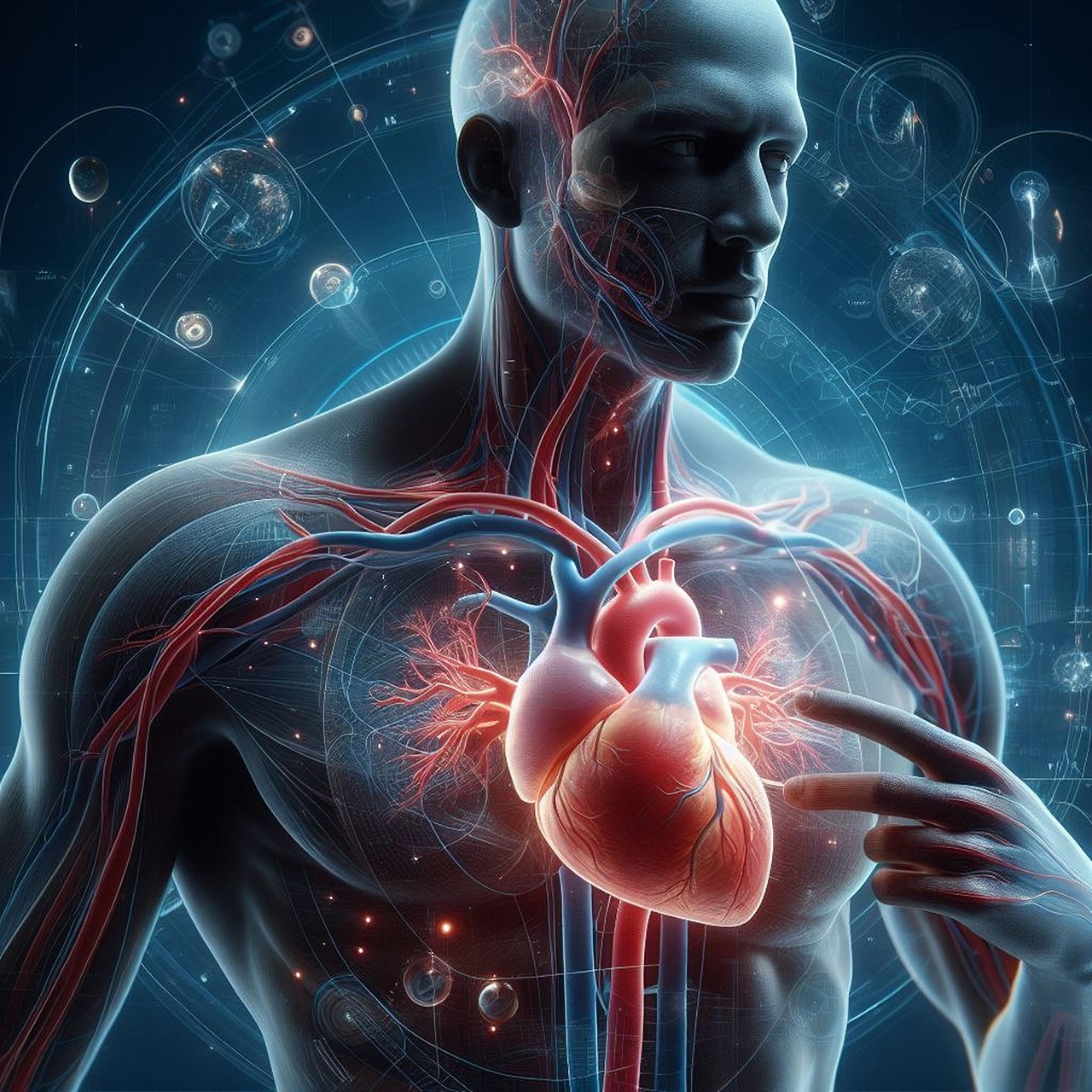
What Massage Therapists Should Know About Cardiovascular System Conditions
The cardiovascular system — which includes the heart, arteries, veins, and capillaries — is central to life and health. It delivers oxygen and nutrients to tissues, removes metabolic waste, and supports homeostasis. As massage therapists, we know that touch influences circulation, the autonomic nervous system, and client comfort. But when a client has a cardiovascular condition, the stakes are higher: our interventions must be both safe and appropriate. Understanding common cardiovascular conditions, how they may interact with massage therapy, and when to proceed with caution ensures you practice confidently and ethically.
Why Cardiovascular Awareness Matters in Massage Practice
Cardiovascular conditions are among the most frequently encountered chronic health issues, and they often involve complex medical management. Conditions such as hypertension (high blood pressure), coronary artery disease, congestive heart failure, arrhythmias, and history of heart surgery can influence how a client responds to touch, pressure, and positional changes. It’s essential to know:
- When massage is potentially helpful
- When to modify techniques
- When to seek medical approval first
- When to defer treatment altogether
Open communication and careful intake screening are your first lines of safety.
How Massage Can Interact with Cardiovascular Conditions
Massage is known to influence the cardiovascular and autonomic nervous systems. Studies show that even a single massage session can:
- Lower anxiety
- Reduce resting blood pressure and heart rate
- Shift autonomic balance toward relaxation
These effects can be beneficial — especially when combined with medical care — but they are not without implications for clients with cardiovascular disease.
For example, decreased blood pressure after massage may be welcome for some clients, but for others — especially people on multiple heart medications — it may interact with their pharmacologic profile. Slower heart rate and reduced stress responses are generally positive, but may require you to observe how a client tolerates the transition from the table to standing.
Common Cardiovascular Conditions and Clinical Considerations
Here’s how some common cardiovascular conditions may influence your massage approach:
Hypertension (High Blood Pressure)
High blood pressure is a major risk factor for heart disease and stroke. Therapeutic massage may help lower blood pressure in many clients, but uncontrolled or severe hypertension should prompt a physician’s clearance before treatment. Gentle, relaxing techniques are appropriate; deep or vigorous work that could acutely alter blood pressure should be avoided unless medically cleared.
Coronary Artery Disease & Heart Disease
Clients with coronary artery disease or a history of heart events may be stable but still vulnerable. Massage that improves relaxation and reduces stress may be supportive, but always discuss current status with clients and suggest they consult their healthcare provider for guidance on session intensity and positioning.
Heart Failure
In congestive heart failure, the heart struggles to pump effectively. Circulatory changes induced by massage may place a strain on an already compromised system. For these clients, start with gentle techniques and only with medical approval. Avoid deep or circulatory-intensive strokes until a physician confirms it’s safe.
Blood Clots & Thrombosis
Clients with known blood clots or thrombosis are usually considered contraindicated for massage in the affected area until cleared by a medical professional, due to the risk of dislodging the clot and causing a serious event.
Pacemakers & Implanted Devices
Massage around the site of a pacemaker or other cardiac device should be avoided unless a physician has cleared it and the therapist is trained in how to work around the device.
Practical Guidelines for Safe Practice
Here are some key steps to help you integrate cardiovascular awareness into your clinical flow:
1. Detailed Intake & Communication
Ask about diagnoses, symptoms, medications, recent hospitalizations, and current clearance from cardiac care providers.
2. Monitor During the Session
Observe comfort, respiration, skin color, and client feedback on pressure and relaxation.
3. Modify Techniques Appropriately
Prioritize relaxing, soothing techniques such as light Swedish strokes, gentle effleurage, and slow positional changes.
4. Know When to Defer
If a client’s condition is unstable, actively changing, or unassessed by a clinician, suggest postponement and encourage discussion with their healthcare provider.
Grow Your Competence in Cardiovascular Conditions
Cardiovascular issues interact with massage therapy in ways that require both caution and confidence. With the right education, you can better understand:
- Pathophysiology of common cardiovascular conditions
- How they may affect or be affected by touch
- When to seek clearance
- How to adapt your treatment plans safely
? Explore the full course and deepen your clinical expertise:
Conditions of the Cardiovascular System for Massage Therapists – SASI Course Page
Sources
- Cleveland Clinic – Massage’s effects on cardiovascular stress markers and autonomic balance. https://www.ncbi.nlm.nih.gov/pmc/articles/PMC7454237/
- AMTA – Massage and medication considerations for cardiovascular clients. https://www.amtamassage.org/publications/massage-therapy-journal/massage-and-medication/
- Integrative Healthcare – Hypertension and massage therapy considerations. https://www.integrativehealthcare.org/mt/hypertension-and-massage/
- MedFit Network – Massage considerations for clients with heart disease or failure. https://medfitnetwork.org/public/all-mfn/heart-disease-massage-right/
- Spa World Houston – Contraindications related to cardiovascular issues. https://spaworldhouston.com/massage-contraindications/
Picture courtesy of: Phylum