
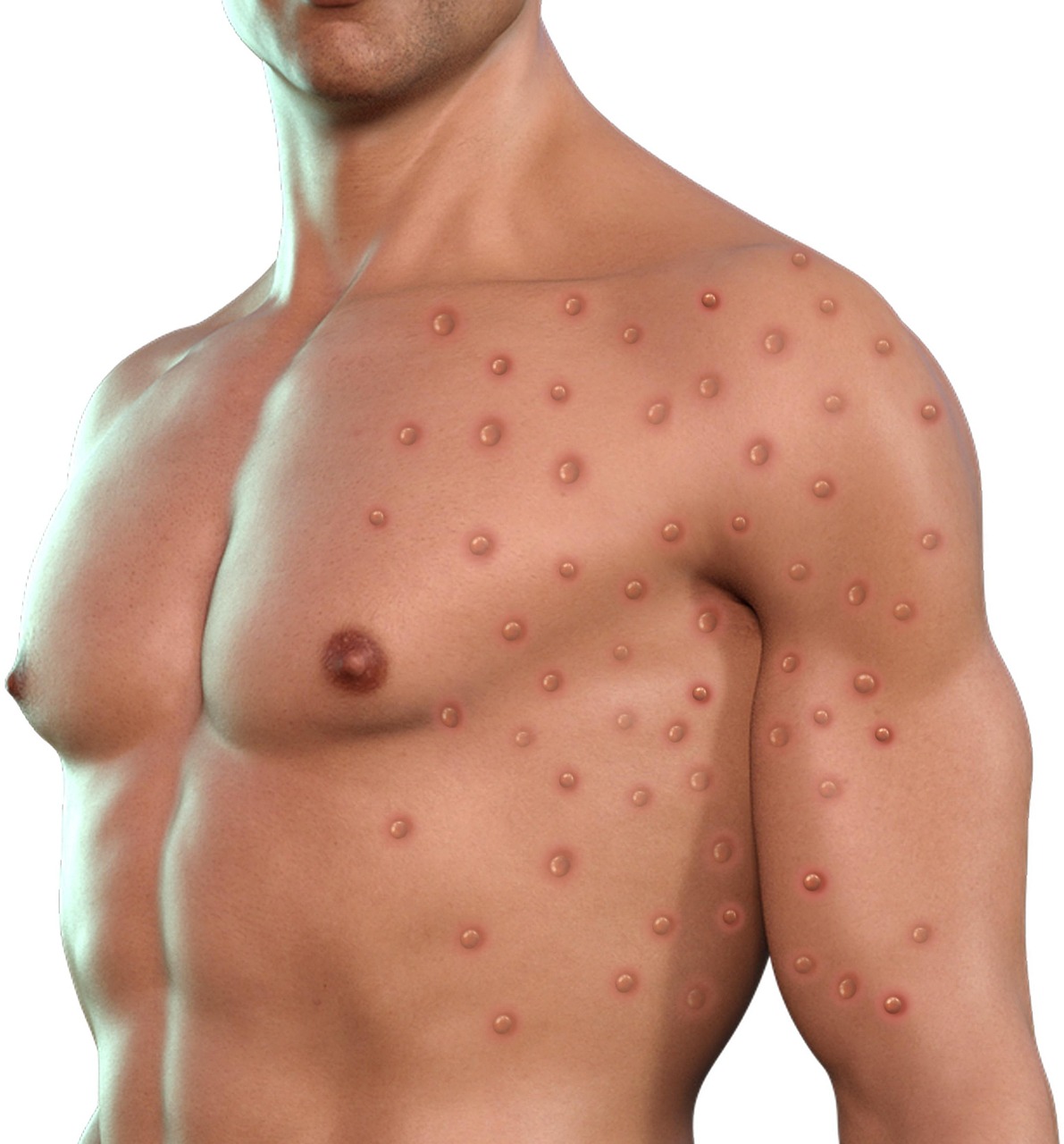
Understanding the Pathology of the Integumentary System: A Guide for Massage Therapists
The integumentary system — comprising the skin, hair, nails, and associated glands — is the body’s largest organ and its first line of defense. For massage therapists, the skin is our gateway: it’s where we connect to clients, assess tissue health, and interpret changes that may influence treatment decisions. Understanding integumentary pathology helps you differentiate normal variations from clinical concerns, guide safe adaptations, and communicate confidently with clients and healthcare professionals.
Why Integumentary Awareness Matters in Massage Practice
The skin isn’t just a surface; it’s a dynamic, multilayered organ that:
- Protects against infection
- Regulates temperature
- Supports sensation and proprioception
- Assists metabolic processes (e.g., vitamin D synthesis)
Changes in skin appearance, texture, or integrity can indicate underlying conditions — from benign dermatologic variations to signs of systemic disease. As touch professionals, being aware of these patterns enhances assessment skills, improves safety, and bolsters clinical credibility.
Common Integumentary Conditions and Massage Considerations
Below are some integumentary pathologies you may encounter — each with implications for massage therapy:
Eczema and Dermatitis
Eczema (atopic dermatitis) and contact dermatitis involve inflammation of the skin, often causing redness, itching, and dryness. Massage may be appropriate outside of flare-ups, but avoid direct work on acutely inflamed or itchy skin. Instead, focus on adjacent areas and gentle, soothing techniques.
Psoriasis
Psoriasis is an autoimmune-related condition marked by thick, scaly patches. Work can be supportive when the skin is intact and not inflamed, but avoid deep pressure over plaques and adjust contact if the client experiences discomfort.
Fungal Infections (e.g., Ringworm)
Fungal infections present as red, itchy, circular lesions. These are contagious and require postponement of massage to affected areas until cleared by treatment. Focus on client education and reschedule work once the infection resolves.
Bacterial Skin Infections
Impetigo, cellulitis, and folliculitis can appear as painful, warm, and sometimes pus-filled lesions. These usually call for deferral of massage and referral to appropriate medical care.
Pressure Ulcers
Also known as bedsores, pressure ulcers develop in areas of sustained pressure — especially in persons with limited mobility. These require specialized wound care. Massage should be avoided over open wounds, and session goals should focus on comfort and repositioning support with clinician guidance.
Burns and Scars
Healing burns and mature scars present distinct tissue qualities. During scar maturation, gentle mobilization may help mobility, but always proceed based on client tolerance and wound stability.
Practical Guidelines for Massage Therapists
Here are clinical principles to help you navigate integumentary pathology safely:
1. Respect Skin Integrity First
Any open wound, blister, weeping lesion, or active infection should be treated as a contraindication for direct work. Protect yourself and your clients by rescheduling and referring as needed.
2. Communicate and Assess
Ask clients about:
- Recent skin changes
- Diagnosis and course of treatment
- Symptoms like itching, pain, or drainage
- History of dermatologic conditions
Observe the skin before touch — visual assessment is a core component of safe practice.
3. Modify Techniques Judiciously
When massage is appropriate:
- Use gentle pressure
- Avoid aggressive strokes over compromised skin
- Focus on relaxation and comfort rather than deep penetration
4. Educate Clients Appropriately
Help clients understand when massage may support comfort and when it should be deferred or combined with medical care. This fosters trust and professional clarity.
Expand Your Clinical Understanding
Understanding integumentary pathology enables you to interpret skin changes with greater confidence, adapt sessions safely, and make informed decisions that protect client wellbeing. The Pathology of the Integumentary System continuing education course from the Somatic Arts & Sciences Institute gives you structured knowledge on common skin conditions, clinical cues, adaptations, and scope-aware practice strategies.
Explore the course and deepen your expertise:
Pathology of the Integumentary System
Sources
- Mayo Clinic – Skin Conditions Overview
https://www.mayoclinic.org/skin-conditions - American Academy of Dermatology (AAD) – Skin Disease Reference
https://www.aad.org/public/diseases - Cleveland Clinic – Eczema (Atopic Dermatitis)
https://my.clevelandclinic.org/health/diseases/10978-eczema - Centers for Disease Control and Prevention (CDC) – Psoriasis
https://www.cdc.gov/psoriasis/index.htm - National Library of Medicine – Cellulitis
https://www.ncbi.nlm.nih.gov/books/NBK482400/
Picture courtesy of: geralt