
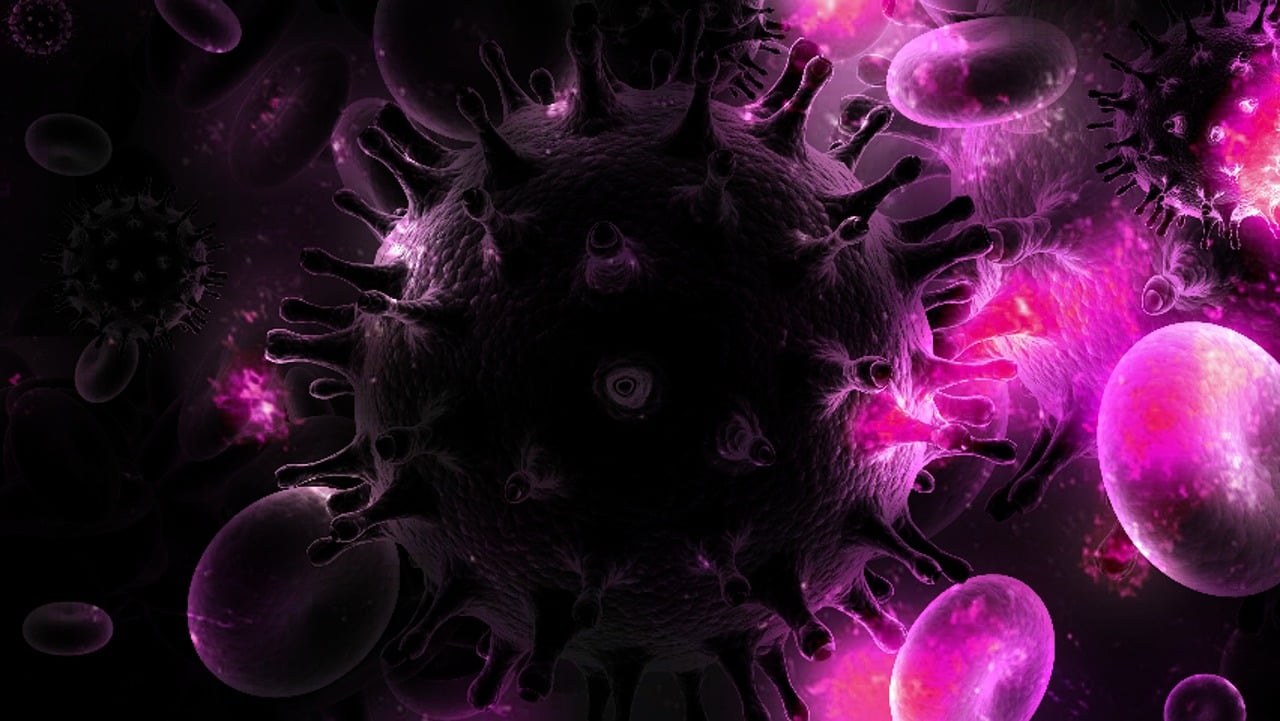
Understanding HIV/AIDS: A Practical Guide for Massage Therapists
Human immunodeficiency virus (HIV) and acquired immunodeficiency syndrome (AIDS) remain important clinical topics for healthcare professionals — including massage therapists. While dramatic improvements in treatment mean that most people living with HIV don’t progress to AIDS, understanding the virus, how it affects the immune system, and its implications for massage practice allows you to provide confident, compassionate, and safe care. Effective massage therapy isn’t only about technique — it’s about awareness, adaptation, and professionalism.
What Are HIV and AIDS?
HIV (Human Immunodeficiency Virus) is a virus that attacks the immune system, specifically targeting CD4+ T cells — critical defenders against infection. Over time and without treatment, the virus weakens the immune system. If the immune system becomes severely damaged, a person may develop AIDS (Acquired Immunodeficiency Syndrome), which is defined by very low CD4 counts or the presence of certain opportunistic infections. In many parts of the world today, early diagnosis and continuous treatment mean that most people with HIV don’t reach the stage of AIDS.
HIV is transmitted through certain body fluids — primarily blood and genital secretions — during unprotected sex, shared needle use, or from mother to child during pregnancy, childbirth, or breastfeeding. It cannot be transmitted through casual contact, including hugging, shaking hands, or sharing objects like massage tables or linens.
Why Massage Therapists Should Understand HIV/AIDS
Massage therapists don’t diagnose medical conditions, but we frequently work with people who have chronic illnesses. Clients living with HIV may seek massage therapy for comfort, stress reduction, or to manage symptoms such as fatigue or neuropathy. Research suggests massage can improve quality of life and psychological well-being for people living with HIV, potentially even supporting aspects of immune function by reducing stress.
Knowing how HIV affects the immune system gives you confidence to:
- Communicate clearly and professionally with clients
- Adapt techniques safely
- Apply universal precautions appropriately
- Maintain ethical, non-stigmatizing care
Key Clinical Considerations for Massage Practice
Universal Precautions Are Essential
Treat every client with the assumption that any infection could be present. Use standard hygiene practices — handwashing before and after sessions, proper cleaning of equipment, and safe handling of linens — to protect clients and yourself. These practices prevent spread of all infectious agents, including HIV.
Understand Transmission Risk
HIV isn’t transmitted by touch, breath, or casual surface contact. It requires specific exposure to infected body fluids. This means that routine massage therapy poses no risk of HIV transmission when universal precautions are followed.
Adapt Care Based on Client Needs
Clients living with HIV may have additional considerations:
- Fatigue or neuropathy: Start with gentle, soothing techniques and check tolerance frequently.
- Opportunistic infections or other illnesses: These may affect session timing or require medical clearance.
- Emotional support: Many clients value the calming, supportive environment massage can provide.
Treat each client as an individual, and avoid assumptions based on diagnosis alone.
The Role of Treatment and Long-Term Health
While there’s no cure for HIV, modern antiretroviral therapy (ART) can effectively suppress the virus, protect the immune system, and prevent progression to AIDS. People living with HIV who stay on effective treatment can maintain a near-normal life expectancy and significantly reduce the risk of transmission to others.
Elevate Your Professional Knowledge
A clear, informed understanding of HIV/AIDS enhances your confidence and credibility as a massage therapist. Exploring the science behind HIV, its clinical implications, and safe practice strategies will help you serve all clients with skill and compassion.
? Discover more and expand your expertise with the course:
HIV/AIDS – SASI Course Page
Sources
- Centers for Disease Control and Prevention (CDC) – About HIV
https://www.cdc.gov/hiv/about/index.html - Mayo Clinic – HIV/AIDS: Symptoms and Causes
https://www.mayoclinic.org/diseases-conditions/hiv-aids/symptoms-causes/syc-20373524 - What Are HIV and AIDS? (HIV.gov) – Overview of HIV, AIDS, and progression
https://www.hiv.gov/hiv-basics/overview/about-hiv-and-aids/what-are-hiv-and-aids - Cleveland Clinic – HIV & AIDS: Causes, Symptoms, Treatment & Prevention
https://my.clevelandclinic.org/health/diseases/4251-hiv-aids - PubMed Central (PMC) – Massage therapy for people with HIV/AIDS
https://www.ncbi.nlm.nih.gov/pmc/articles/PMC6599823/
Picture courtesy of: madartzgraphics