
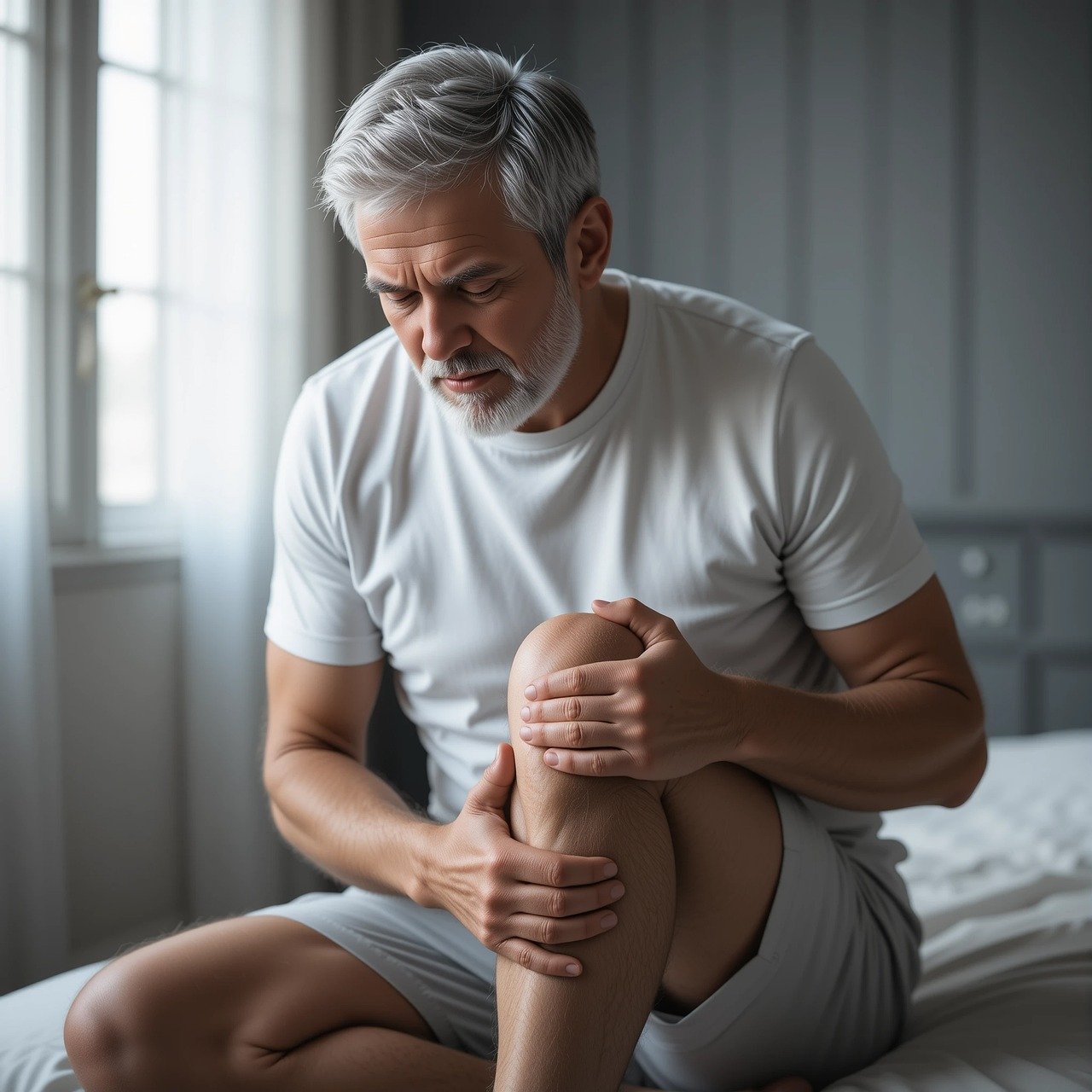
How Massage Therapy Can Support Clients with Arthritis: A Guide for Massage Therapists
Arthritis is one of the most common chronic conditions massage therapists will encounter in practice. Characterized by joint pain, stiffness, and reduced mobility, arthritis affects millions of people and can significantly impact quality of life. As manual therapists, we often serve clients who are navigating the daily challenges of this condition, yet many practitioners feel unsure about how best to support them. A thoughtful, evidence-aware approach helps you provide safe and effective care for arthritic clients — improving comfort, function, and client trust.
What Is Arthritis and Why It Matters
Arthritis refers to a group of conditions involving inflammation and degeneration of joints — the most common being osteoarthritis and rheumatoid arthritis. Symptoms typically include:
- Chronic joint pain and stiffness
- Reduced range of motion
- Swelling in and around affected joints
- Functional limitations in daily activities
Clients living with arthritis may seek massage to help manage discomfort, increase mobility, and reduce muscular tension that often accompanies joint dysfunction.
How Massage Therapy Can Help
Clinical and professional resources suggest that massage therapy may offer short-term benefits for people with arthritis by:
- Reducing pain and stiffness: Massage can ease muscular tension and promote relaxation, which may lessen the subjective experience of pain around affected joints.
- Improving joint mobility: Enhancing circulation and decreasing soft tissue restrictions may help improve range of motion around arthritic joints.
- Supporting overall comfort and quality of life: Even when benefits are temporary, regular sessions can offer comfort and help clients maintain activity levels.
Importantly, massage is a complementary approach, not a cure for arthritis. It should be integrated into a care plan that may also include medical management, exercise, and lifestyle strategies recommended by qualified healthcare providers.
Clinical Considerations for Massage Therapists
When working with clients who have arthritis, a few guiding principles will keep your practice safe and effective:
1. Communicate Clearly Before, During, and After Sessions
Discuss the client’s symptoms, pain levels, and goals. A clear health history and real-time feedback help you adapt techniques and pressure to their comfort.
2. Respect Flare-Ups and Contraindications
Avoid direct work on acutely inflamed joints or during active flares of rheumatoid arthritis. In some cases, moderate pressure or indirect work around the joint may be safer.
3. Choose Appropriate Techniques
Gentle techniques such as Swedish methods, effleurage, and moderate pressure strokes can be appropriate for easing muscle tension and promoting circulation. Always tailor your approach based on the client’s tolerance and response.
4. Integrate into Holistic Care
Massage can support overall comfort and mobility, but clients benefit most when massage is part of a broader care strategy that includes movement, physician guidance, and self-care education.
Elevate Your Practice With Focused Education
If you’re ready to deepen your understanding of arthritis — including the different types, practical adaptations, contraindications, and safe techniques for massage therapy — the Massage Therapy and Arthritis continuing education course from the Somatic Arts & Sciences Institute is designed for you.
This course equips you with clinical context, assessment strategies, and professional insights to confidently support clients living with arthritis in your practice.
Explore the course and enroll today to expand your skills and confidence:
Massage Therapy and Arthritis – SASI Course Page
Sources
- “Massage Therapy Benefits for Arthritis,” American Massage Therapy Association — overview of pain, mobility, and quality of life benefits for clients with arthritis.
- “Benefits of Massage,” Arthritis Foundation — expert guidance on massage and symptom relief, including cautions and client communication.
- “Massage for arthritis,” Medical News Today — general effects on pain, circulation, and muscle relaxation related to arthritis.
- “Massage and arthritis,” Arthritisaustralia.com.au — context on short-term benefits for mobility and pain relief.
- “Types of Massage and Arthritis,” Arthritis Foundation — massage modalities and pressure considerations.
Picture courtesy of: North_Studio